Promises, Grudges, and Gut Feelings: The Wildest Jury Votes in Reality TV History
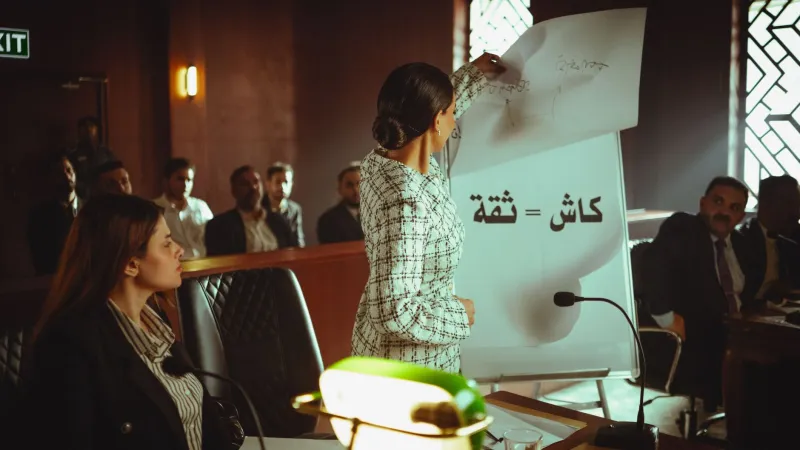
Finale night is supposed to be when everything makes sense. The best player wins, alliances get honored, and the jury delivers a verdict that reflects the game that was actually played. Supposed to be. In practice, finale night is where all the pent-up feelings, wounded egos, and shattered promises that accumulated over weeks of competition come flooding out — often in ways nobody, including the players sitting in those finale chairs, saw coming.
Jury betrayals are their own genre of reality TV drama. They're quieter than a blowup fight and more devastating than any single elimination. And when they happen, they rewrite the entire story of a season in about thirty seconds.
Let's talk about the ones that still don't make sense — and the ones that make complete sense once you understand what was actually going on.
When Alliance Loyalty Went Out the Window
There's a particular category of jury betrayal that hits different: the vote cast against someone you swore you'd protect. These aren't votes driven by strategy or respect for gameplay. They're driven by something that happened in week two that the finalist never even realized was a problem.
This is the small slight theory of jury voting, and it explains more surprise outcomes than any strategic analysis. A finalist says something dismissive in passing. They forget to check in with an ally after a tough week. They take credit for a move in a confessional that aired while the jury was sequestered and watching — and that person is now sitting in judgment with a very specific memory of being erased from their own game.
The finalist often has no idea any of this happened. They walk into finale night confident in their alliance bonds, and they get blindsided by a vote they thought was locked. The jury member isn't being irrational. They're being human — and in a game that strips away almost every normal social buffer, small moments calcify into defining ones.
The Respect Vote Nobody Expected
On the flip side, there's the jury vote that goes against alliance loyalty because someone in that jury box couldn't bring themselves to reward passive gameplay over genuine competition. These are the votes that make strategy purists cheer and social game advocates throw things at their televisions.
It goes like this: the finalist who played the safer, friendlier game makes it to the end. They were nice to everyone. They didn't make enemies. They coasted on relationships. And then a jury member — often someone who got cut by the other finalist, the aggressive one, the one who actually played — votes for the person who beat them fair and square rather than the person who just... didn't lose.
There's something almost poetic about it. The most competitive players in the house, even after being eliminated, often can't bring themselves to reward a game they don't respect. They'd rather hand the win to the person who outplayed them than give it to someone who survived by staying small.
The Last-Minute Pitch That Actually Worked
Finale night Q&A sessions are often dismissed as theater — the votes are already decided, the speeches are rehearsals, and nothing anyone says in that room is going to change a mind that's been made up for a week. Except sometimes it does.
The most underrated jury betrayal category is the vote that shifted because of what happened in that room, in real time. A finalist who'd been written off as a goat delivers a sharp, specific breakdown of every move they made and why. A juror who came in furious hears something in that answer that reframes the entire game they watched. A swing vote who was genuinely undecided gets tipped by tone, by confidence, by the simple fact that one finalist seemed to actually want it more.
These moments are rare, but they're real. And they remind us that jury management isn't just about the six weeks before finale — it's about the twenty minutes you get on that stage to make your case.
What Big Boss Juries Teach Us About Human Nature
Here's the uncomfortable truth that every Big Boss superfan eventually figures out: jury votes aren't really about the game. They're about relationships, feelings, and the stories people tell themselves about what happened.
A juror who felt respected will vote for you even if you cut them. A juror who felt dismissed will vote against you even if you kept them safe for weeks. A juror who felt invisible will vote for whoever made them feel seen, even once, even briefly.
The finalists who understand this going in — who play the whole game with jury management baked into every conversation — are the ones who tend to win. But understanding it and executing it are two very different things, which is why finale night keeps delivering moments that leave everyone speechless.
The Votes We're Still Thinking About
The jury betrayals that stick with us longest aren't necessarily the most dramatic ones. They're the ones where, in hindsight, you can trace exactly how it happened — the small conversation that went wrong, the credit that got taken, the moment someone felt like they didn't matter — and realize the vote was decided long before anyone walked into that finale room.
That's what makes jury management the most underappreciated skill in the game. It's not about speeches. It's not about the finale performance. It's about every interaction across every day, and whether the people you're playing with feel like you saw them as people or just pieces on a board.
Get that right, and the jury vote takes care of itself. Get it wrong, and no finale speech in the world is going to save you.