Loved to Be Hated: How Reality TV's Greatest Villain Edits Became the Stuff of Legend
There's a moment in almost every season of a competition reality show — Big Boss, Survivor, Big Brother, you name it — where you find yourself absolutely fuming at one specific contestant. They smirk a little too wide. The background music turns vaguely sinister. The confessional lighting somehow makes them look like they're plotting world domination. And then, against every instinct you have, you realize you cannot wait to see what they do next.
Welcome to the villain edit. It's one of television's oldest tricks, and honestly? It still works every single time.
What Actually Is a Villain Edit?
Here's the thing most casual viewers don't fully appreciate: reality TV contestants don't write their own narratives. Editors do. A typical Big Boss season generates hundreds of hours of raw footage. What makes it to your screen is a tiny, curated slice — and the order, context, and framing of those clips can turn a perfectly reasonable human being into the most hate-watchable character on television.
A villain edit usually involves a few reliable ingredients. Reaction shots pulled from completely different conversations. Confessionals where someone says something strategically smart but gets the "evil laugh" music treatment. Other contestants being shown reacting in horror to things the audience never fully witnesses. It's less about who someone is and more about constructing a character arc that keeps you emotionally engaged week after week.
Producers aren't lying, exactly. But they are storytelling. And sometimes the story they choose to tell turns a calculated game player into a cartoon bad guy.
The Archetypes That Keep Coming Back
Villain edits aren't random — they tend to fall into a few familiar categories that audiences have come to recognize and, let's be honest, deeply enjoy.
The Mastermind. This is the player who's always scheming, always three steps ahead, and always getting a dramatic close-up while doing it. Think chess pieces being moved. Think whispered conversations that cut away right before the punchline. The Mastermind villain is terrifying because they might actually win, and part of you respects that even while you're yelling at your TV.
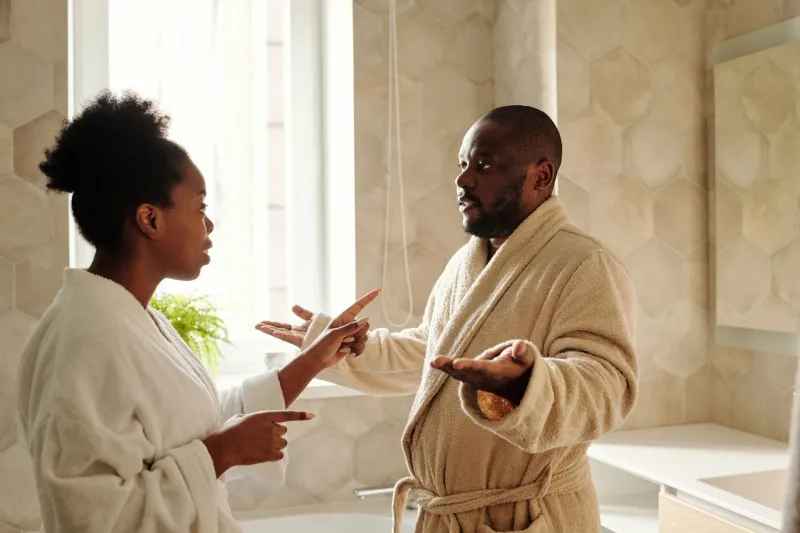
The Mean Girl (or Guy). Cutting comments in the confessional booth. Eye rolls that could win Olympic gold. This edit leans heavily on petty interpersonal moments, often stripping away any context that might make the behavior understandable. The Mean Girl villain is the most frustrating for fans who dig deeper, because there's almost always a fuller picture that never made the final cut.
The Flip-Flopper. Every alliance betrayal gets a dramatic musical sting. Every handshake is followed by a sinister smirk inserted from a totally different moment. This villain is constructed almost entirely through editing sequencing — show the promise, then show the break, and let the audience fill in the malicious intent.
Why We Can't Look Away
So why do villain edits work? We asked a few Big Boss superfans to weigh in, and the answers were surprisingly self-aware.
"I know I'm being manipulated," admitted one long-time viewer from Chicago who's watched every available season. "But the villain is always the most interesting person to watch. The heroes are predictable. The villain keeps the whole house on edge."
Another fan, a college student from Atlanta who runs a Big Boss fan account, put it this way: "Half the time I'm defending the 'villain' in my group chat because I can tell they got a bad edit. But the other half? I'm just fully in on hating them. It's like a roller coaster — you know it's not real danger, but the thrill is real."
There's actual psychology behind this. Researchers who study narrative transportation — the experience of being emotionally absorbed in a story — have found that morally complex or outright antagonistic characters create stronger engagement than purely sympathetic ones. We're wired to track threats. A villain on screen gives our brains something to monitor, analyze, and react to, even from the safety of a couch in suburban Ohio.
The 'Misunderstood' Villain Debate
Here's where the fan community gets genuinely divided: how much credit does the edit deserve versus the actual person?
For every contestant who was clearly just playing a sharp strategic game and got slapped with a villain label for it, there's another who leaned hard into the role — giving producers exactly what they needed and then some. The edit and the person can be collaborative, whether the contestant knows it or not.
Superfans love to rehabilitate villains after the fact. Watch any Big Boss fan forum after a season wraps and you'll find passionate threads arguing that the season's biggest bad guy was actually the most loyal player, the most self-aware, or simply the most entertaining person in the house. Sometimes the revisionist history holds up. Sometimes it really, really doesn't.
What's fascinating is that contestants themselves often have no idea what edit they're getting until they watch the episodes air. Multiple former reality competitors have spoken publicly about the shock of seeing themselves portrayed as the antagonist when they felt, in the moment, like they were just playing the game. That disconnect — between lived experience and televised narrative — is part of what makes the villain edit such a strange and powerful thing.
Does the Edit Make the Legend?
Here's the honest answer: probably both. The most iconic reality TV villains tend to be people who gave producers genuinely compelling raw material — real strategic moves, real sharp edges, real moments of self-interest that clash with the show's social contract — and then got the full cinematic treatment in the edit suite.
Strip away the ominous music and the reaction shots, and some of history's greatest TV villains might look like pretty decent competitors. But add those elements back in, and suddenly you've got a character that people are still talking about a decade later. That's not nothing. That's actually a kind of artistry, even if it's uncomfortable to admit.
The Big Boss house, like any great reality competition, is ultimately a stage. Some people wander onto it as themselves. Others get transformed by the time 42 minutes of edited footage reaches your living room.
The Real Winner of the Villain Edit
Here's the twist nobody talks about enough: the villain edit is often the best thing that can happen to a contestant's post-show career. Love-to-hate figures generate more social media buzz, more fan debate, more YouTube reaction videos, and more brand interest than the forgettable nice-guy winner who nobody remembers six months later.
In the attention economy, infamy is a currency. And reality TV figured that out long before the rest of us did.
So the next time you find yourself genuinely furious at a Big Boss contestant — convinced they're the worst human being to ever appear on television — take a beat. Ask yourself what you didn't see. Ask yourself who chose that music. And then, fully aware of all of that, go ahead and enjoy every single second of it.
That's the villain edit doing exactly what it was designed to do. And honestly? We wouldn't have it any other way.