Checkmate Yourself: How Big Boss' Smartest Players Keep Losing to the Person in the Mirror
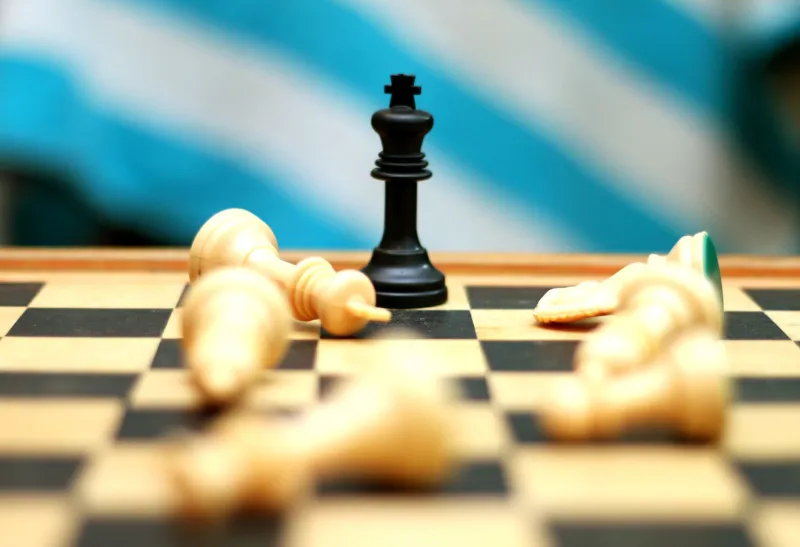
Every season, Big Boss hands us at least one contestant who arrives looking like they've studied every episode ever aired. They've got the social read, the physical game, and a mental Rolodex of past mistakes made by players who came before them. They talk in the diary room like a chess grandmaster narrating their own tournament. And then — sometimes before the jury even forms — they're gone. Blindsided, bewildered, and absolutely certain they were playing the best game in the house.
So what keeps happening?
The Trap of Playing Three Moves Ahead
Strategic overreach is one of reality TV's most reliable plot devices, and it's not an accident. When someone is genuinely smart and genuinely competitive, their brain doesn't idle. They're constantly running simulations: If she wins HOH, she'll put up these two. If he gets the veto, then I need to have already flipped this person. That kind of thinking is valuable — up to a point.
The problem is that Big Boss isn't a static board game. It's a living, breathing social experiment where the variables change every 24 hours. The player who's running five-step projections on Monday is often working from completely outdated intel by Wednesday. Meanwhile, they've already made three moves based on a reality that no longer exists, burning bridges with people who hadn't even considered turning on them yet.
There's a reason coaches in team sports always talk about "playing the game in front of you." Hyper-strategic competitors in Big Boss rarely do that. They're playing the game they imagined, not the one that's actually unfolding.
Manufacturing Enemies Out of Thin Air
Here's a pattern that plays out almost every season: a strategist decides, based on their own internal threat assessment, that a particular houseguest needs to go. Not because that person has made a move against them. Not because there's any real evidence of betrayal. Just because the math in their head says this person could eventually become dangerous.
So they start working against them — quietly at first, then less quietly. They pull people aside. They plant seeds. They reframe that person's behavior to anyone who'll listen. And here's the kicker: the person they're targeting often had no intention of coming after them. But now, thanks to all this maneuvering, they do.
The strategist has essentially conjured their own enemy into existence. It's one of the most self-defeating cycles in the entire show, and yet it repeats itself with almost comedic regularity. The threat wasn't real until the strategy made it real.
Blowing Up Winning Coalitions Too Early
Let's talk about alliance implosions, because this is where strategic overreach gets truly painful to watch.
A solid alliance in Big Boss is a rare and fragile thing. When a group of four or five people genuinely trusts each other, communicates well, and has complementary strengths, they can run a season. History has shown us that dominant alliances — when left intact — almost always place their members deep into the game.
But the strategist can't help themselves. They look at that alliance and see not a winning coalition, but a future obstacle. They start thinking about the endgame when they're still in the middle chapters. If we stay together too long, I won't be able to beat these people at the end. So they start making subtle moves to fracture things. They share just a little too much with someone outside the group. They let a rumor breathe when they should have killed it. They flip on a loyal ally one week too soon.
And just like that, a machine that was running perfectly gets a wrench thrown into it — by the person who built it.
The Psychology Behind the Self-Destruction
Psychologists who study competitive environments have a term for this kind of behavior: hypervigilance bias. Basically, people who are primed to detect threats start seeing them everywhere, even when the environment is relatively safe. In a high-stakes, isolated setting like the Big Boss house, that bias goes into overdrive.
Add to that the ego component. Truly strategic players tend to have high confidence in their own reads. When you trust your instincts completely, you act on them — even when those instincts are being fed by paranoia rather than evidence. The internal monologue of a hyper-strategic player often sounds something like: I see what's coming before anyone else does. If I don't act now, I'll regret it. That urgency feels completely rational from the inside. From the outside, it looks like someone torching their own game.
There's also a social cost that these players consistently underestimate. Every unnecessary move leaves a trail. Every whispered conversation gets repeated. Every manufactured alliance shift creates a new set of people who feel used or deceived. Jury management — the long game of keeping evicted houseguests from hating you — is essentially impossible when you've spent the whole season treating people like chess pieces.
What Separates the Strategists Who Actually Win
Here's the thing: strategy itself isn't the problem. The Big Boss winners who played cerebral games didn't win despite their strategic thinking — they won because of it. The difference is restraint.
The players who go deep tend to know when not to make a move. They recognize that a stable alliance is an asset, not an eventual liability. They let threats play themselves out rather than forcing premature confrontations. And critically, they stay emotionally present in the house instead of getting lost in their own projections.
Winning Big Boss has always required a balance between reading the game and actually living in it. The contestants who tip too far toward the analytical side forget that they're not just managing a strategy — they're managing relationships with real people who have real feelings and real votes.
The Lesson the House Keeps Teaching
Season after season, Big Boss offers up the same cautionary tale with a new cast. The player who walks in as the most prepared, most calculated, most self-aware competitor in the house ends up being their own biggest threat. It's almost poetic, honestly.
The game isn't just testing who can think the fastest. It's testing who can think well enough — and then get out of their own way. Until more strategists figure out that distinction, we're going to keep watching brilliant players exit the house shaking their heads, convinced the game was unfair, never quite realizing they were the ones who made it that way.
And honestly? That tension is a huge part of why we keep watching.