After the Finale: Why Reunion Showdowns Hit Harder Than Anything That Happened in the House
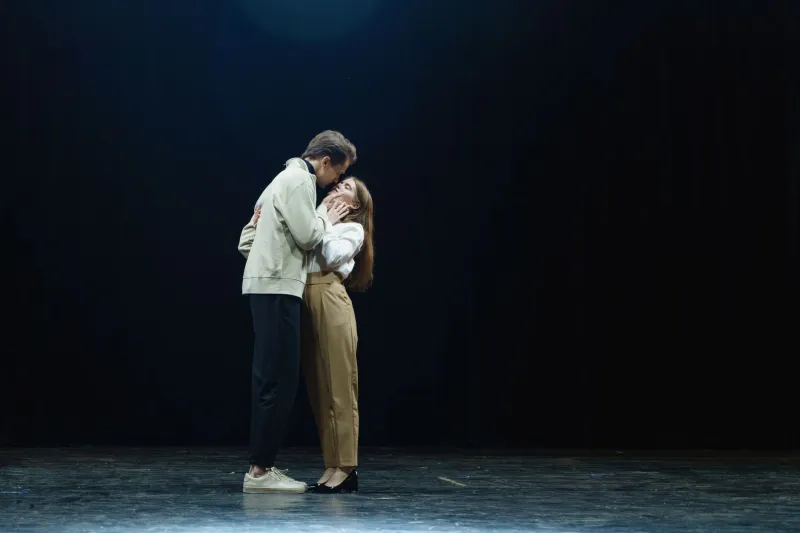
There's a specific kind of tension that builds in the weeks between a season finale and a reunion special. Contestants have had time to watch the episodes back, read the fan reactions, scroll through the tweets, and sit alone at 2 a.m. with the full picture of exactly who said what about them behind closed doors. By the time everyone files onto that reunion stage, the powder keg has been soaking for months.
And it almost always explodes.
The Gameplay Filter Gets Stripped Away
Inside the house, almost every confrontation is filtered through strategy. Even the messiest blowups carry a subtext of game calculation — is this fight going to cost me votes? Will this alliance crumble if I push too hard? That constant background noise of self-preservation shapes every interaction, even the ugly ones.
Reunions remove that filter entirely.
By the time competitors reconvene on that brightly lit stage, the game is over. There's no HOH competition tomorrow, no eviction ceremony to survive. What's left is just people — bruised, vindicated, embarrassed, or furious — sitting three feet away from the person who backstabbed them on national television. The strategic armor comes off, and what's underneath is often far more volatile than anything the producers captured during the actual season.
That's why reunion confrontations tend to land differently. They feel real in a way that in-house drama sometimes doesn't, because the incentive to perform has largely evaporated. Nobody's campaigning for jury votes anymore. They're just angry.
When the Edit Gets Exposed
One of the most fascinating reunion dynamics is the moment when a contestant realizes — publicly, on camera — that the edit didn't do them any favors. Reality TV editing is a powerful storytelling tool, and it can transform a nuanced, complicated player into either a hero or a villain depending on what the producers chose to keep.
Reunion stages have a long history of becoming the place where those narratives get challenged. A contestant who came across as the season's primary antagonist suddenly gets to speak in full sentences, provide context, and address the moments that were cut before they aired. Sometimes that changes public perception overnight. Other times, the attempt to reframe the story only confirms what viewers already believed — and the crowd reaction makes that unmistakably clear.
Either way, it's compelling television. There's something uniquely gripping about watching someone try to reclaim their own story in real time, with the audience already having made up their minds.
The Slow-Burn Betrayals That Finally Boil Over
Some of the most iconic reunion moments don't come from the season's loudest personalities. They come from the quiet ones — the players who smiled through a betrayal, swallowed their reaction, and waited. Those are the confrontations that tend to be the most precise and the most devastating.
Think about the players who got voted out by someone they considered a genuine friend, not just a game ally. Inside the house, they processed that in isolation, without access to the full picture. By reunion day, they've watched every episode, seen the diary room footage, and heard exactly what was said about them. The confrontation that follows isn't impulsive. It's prepared. And prepared hurt is a different beast entirely from spontaneous drama.
Those moments stick with audiences because they feel earned. The slow build, the extended silence, the carefully chosen words — it's the kind of emotional payoff that a season's worth of episodes sometimes can't manufacture.
Why Producers Know Exactly What They're Doing
Let's not pretend reunions happen by accident. The production teams behind these shows understand the psychological pressure they're creating by gathering everyone in the same room after months of separation and public scrutiny. The seating arrangements are deliberate. The order of topics is deliberate. Even the audience composition — loaded with superfans who have strong opinions about every player — is part of the design.
Reunions are engineered for confrontation, but the confrontations themselves are genuine. That's the sleight of hand that makes them work. The setting is artificial, the structure is controlled, but the emotions are completely real. Nobody's faking the tears or the anger at this point. The game for money is over; the game for dignity and narrative has begun.
The Moments That Actually Changed the Story
Some reunion episodes have done something remarkable — they've genuinely shifted how a season gets remembered. A villain who finally broke down and explained their headspace. A winner who came across as graceless when challenged. A mid-season boot who delivered the most articulate takedown of the entire cast and walked away as the fan favorite despite never making it to the end.
These moments matter because reality TV has a long tail now. Seasons get rewatched, dissected on Reddit threads, and revisited in YouTube compilations for years. A single reunion moment can become the defining clip of an entire season, outlasting every competition win and strategic move that came before it.
That's the real final boss battle — not the last HOH competition, not the jury vote, but the reunion stage. And some players are a lot better at that fight than they ever were at the game itself.