Signed, Sealed, Doomed: The Alliance Red Flags Nobody Caught Until It Was Too Late
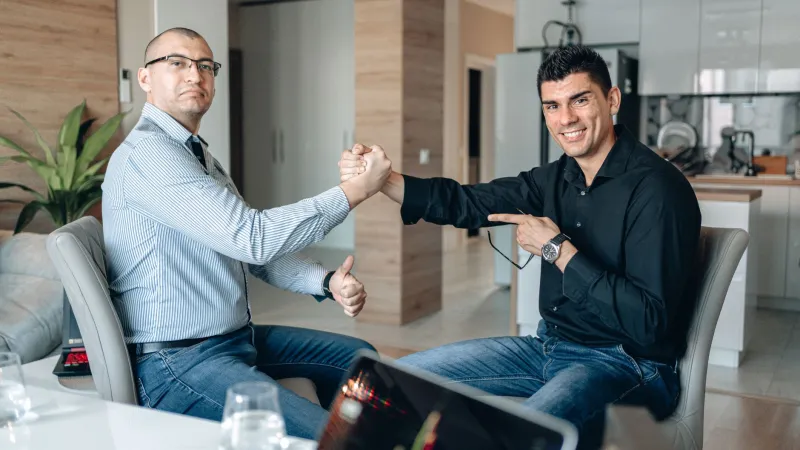
There's a moment in almost every reality TV season where two (or five, or eight) houseguests lock eyes across the kitchen, whisper something conspiratorial, and declare themselves a team. It feels electric. It feels inevitable. It feels like the beginning of something legendary.
And sometimes? It absolutely is. But more often than not, that handshake alliance is already carrying the seeds of its own destruction. The explosion just hasn't happened yet.
At Big Boss Buzz, we've watched enough seasons — across Big Boss, Big Brother US, Survivor, and the whole extended family of competition reality — to recognize a doomed alliance the moment it forms. So let's break down exactly what makes certain partnerships structurally unsound from the jump, using some of the most spectacular alliance collapses in recent memory.
The Mismatched Endgame Problem
The number one killer of alliances isn't betrayal. It's math.
When two players agree to work together, they rarely sit down and ask the uncomfortable question: what happens when it's just the two of us? Because here's the thing — if you're both good enough to make it deep, eventually you will be the last two standing on the same side. And the person you called your ride-or-die suddenly becomes your biggest obstacle.
This is exactly what unraveled some of Survivor's most celebrated partnerships. Players who genuinely liked each other, who covered for each other through the merge, who probably would've been great friends outside the game — but who both needed to win. Not just place. Win. That's not a partnership. That's a ticking clock.
In the Big Boss house, you see this play out with "power duos" who align in week two because they share a bedroom and a sense of humor. Nobody's thinking about the finale. They're thinking about this week's nomination ceremony. The endgame incompatibility doesn't surface until it's catastrophic.
The red flag to watch for: Two strong, competitive players with no clear subordinate role. If neither person in an alliance would accept going home second, the alliance has an expiration date baked right in.
Personality Clashes Dressed Up as Chemistry
Some alliances look electric on screen because the tension between the two players is electric — and not in a good way. There's a huge difference between complementary personalities and combustible ones, and production editing sometimes makes it hard to tell them apart until the blowup arrives.
Think about the classic "strategic mastermind meets social butterfly" pairing. On paper, it sounds perfect. One person handles the chess moves; the other handles the relationships. But in practice? The mastermind resents that the social player gets all the love from the house. The social player starts feeling micromanaged and condescended to. Neither of them communicates this out loud — at least not to each other — and by week five, they're each quietly shopping for a new partner.
The communication breakdown is almost always the tell. In confessionals, you'll start hearing one ally describe the other with language that's just slightly off. Not wrong, exactly, but hedged. "I trust her... mostly." "He's good for now." That qualifier is everything. The moment a player starts conditionally describing their closest ally, the alliance is already fracturing.
The red flag to watch for: Listen to how allies talk about each other in confessionals during week two and three. Unconditional language means the bond is real. Hedged language means someone's already shopping around.
The Numbers Game Alliance (A.K.A. The Alliance Nobody Actually Believes In)
Then there's the alliance that forms purely out of necessity — not trust, not affection, not even strategy. Just raw arithmetic. "We need six votes and there are six of us, so I guess we're a thing now."
These alliances are the most transparent to outside players and, ironically, to the members themselves. Everyone inside the group knows it's a marriage of convenience. Nobody trusts anyone. And the moment the external threat disappears — the moment the common enemy goes home — the whole structure collapses like a house of cards in a ceiling fan breeze.
Big Brother US seasons are littered with these. The "majority alliance" that controls the first half of a season, only to implode spectacularly around jury time because there was never actually any glue holding it together. The members were just... in proximity. They voted together because it was easy, not because they were loyal.
What makes these alliances fascinating — and kind of tragic — is that everyone inside them usually knows it's fake, but nobody wants to be the first to say it out loud. So they keep performing alliance-ness until someone finally makes a move and the whole thing detonates.
The red flag to watch for: An alliance that formed within the first 48 hours with more than four members. The bigger and faster the formation, the less genuine trust exists inside it.
When the Alliance Outlives Its Usefulness (But Nobody Admits It)
Finally, there's the saddest kind of doomed alliance: the one that was real, that did serve both players well, but that both parties are now secretly done with — and neither will say so.
This is where jury management starts eating alliances alive. One player knows they need to cut their partner to have any shot at winning the jury vote. The other player knows the exact same thing. So they're both waiting. Both smiling. Both saying "final two, no matter what" while privately drafting their betrayal speech.
The alliance doesn't crumble here — it gets executed. Cleanly, often brutally, usually at the worst possible moment for whoever gets cut first.
The warning sign? An alliance that stops producing strategic conversations and starts producing a lot of emotional reassurance. When two players go from "here's the plan" to "we're good, right? We're still good?" — someone's already planning the exit.
What It All Comes Down To
Doomed alliances don't usually fail because of one dramatic moment. They fail because of twenty small moments that nobody addressed — misaligned goals, unspoken resentments, performative loyalty, and the basic human reality that in a game with one winner, you can only trust anyone so far.
The best players in Big Boss history understood this. They built alliances knowing they'd eventually have to dismantle them, and they planned accordingly. The players who got blindsided? They believed the handshake more than the math.
Watch enough seasons and you'll start seeing the cracks the moment the alliance forms. And honestly? That's half the fun.