Built to Break: Why Reality TV's 'Perfect' Cast Types Always End Up Going Home Early

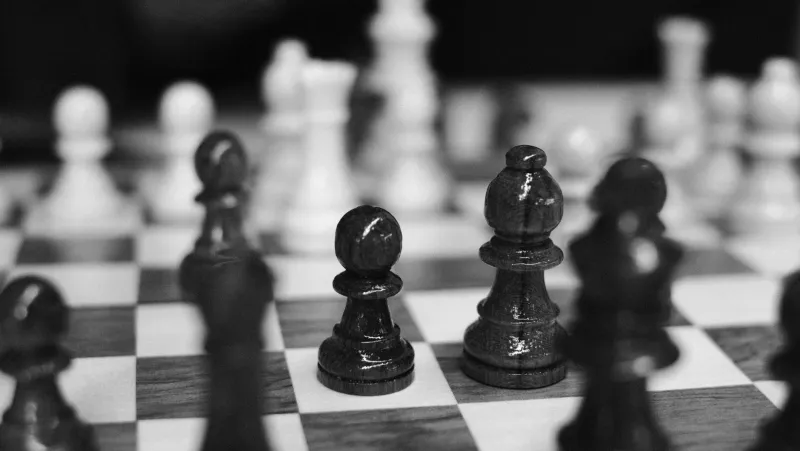
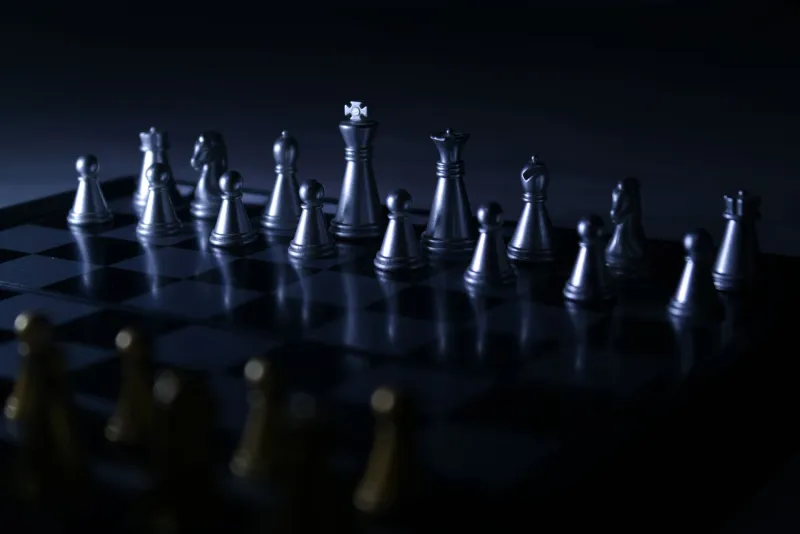
Every season, casting producers sit down with a checklist. They need the strategist who talks in chess metaphors. They need the lovable underdog with a heartstring-pulling backstory. They need the chaotic one who'll flip a table or at least slam a door dramatically. And every season, without fail, most of those "perfect" picks are packing their bags by week three.
There's a reason for that. It's not bad luck. It's not even bad gameplay. It's the casting curse — and once you understand how it works, you'll never watch a Big Boss premiere the same way again.
The Archetype Trap
Here's the thing about casting for types: it works great for television, and terribly for survival. When a player enters the house already wearing a label — the strategic mastermind, the social butterfly, the physical beast — every other houseguest can see it too. And in a game where threat perception is everything, being legible is basically a death sentence.
Take the strategic mastermind archetype. These are the players who arrive with a four-phase game plan, who name their alliances, who talk in the diary room about "controlling the board." Viewers love them early. Fellow houseguests? They clock them immediately. The moment someone starts whispering about "the big picture," everyone else in the house starts whispering about getting rid of them. It's almost mechanical at this point.
The lovable underdog has a different problem. Producers cast them for emotional resonance — they're rooting for this person, and they want America to root for them too. But inside the house, underdog energy reads as low threat, which sounds like an advantage until you realize that low-threat players get dragged to the end as goats, not carried there as allies. Their stories are compelling. Their games? Usually not.
And the hot mess? The chaotic wildcard who production clearly cast to generate drama? They're appointment television for about two weeks before the house collectively decides they're too unpredictable to keep around. Drama is entertaining. Unpredictability is terrifying when you're trying to sleep in the same building as someone.
Why the Label Becomes a Cage
What makes the casting curse so insidious is that these players often start to perform their archetype once they're inside. The mastermind leans into the mastermind role because that's who they were recruited to be. The underdog plays up their vulnerability because it's gotten them sympathy. The wildcard escalates because attention feels like power.
That performance is exactly what gets them eliminated.
Once you're performing a type, you stop adapting. And adaptation — reading the room, shifting your approach, knowing when to go quiet — is the actual skill that wins reality competitions. The house doesn't reward the best version of a type. It rewards the person who can't quite be pinned down.
The Players Who Actually Survive
Look at the contestants who consistently make deep runs, and you'll notice something interesting: they're hard to categorize. They're social enough to have friends but strategic enough to cut them. They're funny without being the designated comic relief. They compete hard in challenges without being "the comp beast."
These players tend to get cast almost accidentally — they came in through a friend's referral, or they auditioned on a whim, or producers needed to fill a slot and picked someone who seemed "interesting" without being able to articulate exactly why. That ambiguity is their superpower inside the house.
When other houseguests try to assess them, they get a slightly different read depending on who they ask. That inconsistency, which would seem like a flaw on paper, actually makes them nearly impossible to unanimously target. You can't build consensus against someone nobody fully understands.
What Casting Directors Keep Getting Wrong
The irony is that casting directors aren't wrong to want compelling characters. Television needs them. But there's a difference between casting someone with a compelling story and casting someone who can only tell one story.
The most dangerous players in Big Boss history weren't the ones who fit neatly into a role. They were the ones who kept everyone slightly off-balance — warm when you expected cold, cutthroat when you expected loyalty, funny when you expected intensity. They were genuinely three-dimensional in a format that keeps trying to flatten everyone into a trading card.
Until casting departments figure out how to select for adaptability over archetype, we're going to keep watching the "perfect" picks go home in a blaze of confessional frustration, while the person nobody can quite figure out quietly makes it to finale night.
The Takeaway for Superfans
If you're watching a new season and trying to predict who's going deep, stop looking for the obvious frontrunners. Instead, find the person who seems slightly out of place — the one who doesn't fit cleanly into any of the usual slots. Find the person other houseguests describe differently depending on who you ask. Find the one production seems slightly uncertain how to edit.
That's your winner. Or at least, that's the person who's going to make the finale genuinely interesting.
The casting curse is real, and it's not going anywhere. But now that you know what to look for, you're already watching smarter than half the people in that house.